Every meal we enjoy begins long before it reaches the plate. Behind every crop, every grain, and every fresh fruit or vegetable are farmers, agronomists, and agricultural innovators working tirelessly to ensure safe, nutritious, and abundant food. Understanding who grows and manages our food is not just about appreciation—it’s about awareness, trust, and supporting sustainable practices.
Modern agriculture combines traditional knowledge with cutting-edge technologies like drones, IoT, and AI/ML, enabling farmers to optimise crop health, yields, and sustainability. Here’s a closer look at the people and processes that bring food from the field to your table.
1. Farmers: The Stewards of the Land
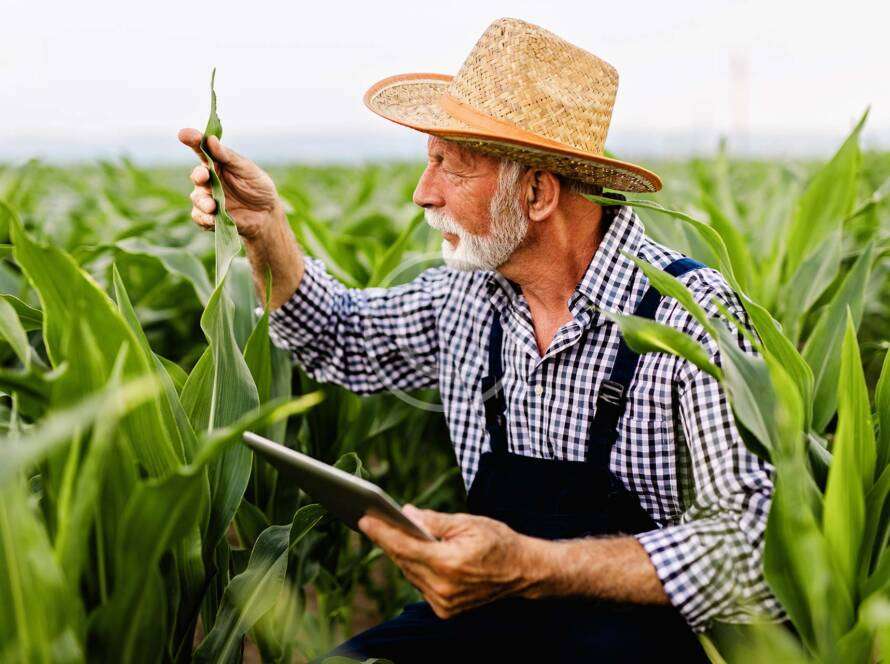
At the heart of food production are farmers—the people who plant, nurture, and harvest crops. Their work involves:
- Making critical decisions on crop varieties, irrigation, and fertilisation
- Responding to changing weather conditions and environmental challenges
- Balancing yield optimisation with sustainability practices
Today, farmers increasingly rely on digital tools to enhance traditional farming knowledge, ensuring their efforts produce healthy, high-quality food.
2. Agronomists and Crop Specialists: Science Meets the Soil
Agronomists and crop specialists support farmers by applying scientific knowledge to maximise crop performance. They use advanced technologies to:
- Monitor soil health and nutrient levels via IoT sensors
- Analyse crop data collected by drones and field sensors
- Recommend interventions that improve yield, quality, and resilience
This combination of expertise and technology helps ensure crops are productive, sustainable, and safe for consumers.
3. Technologists and Data Scientists: The Invisible Hands
Digital agriculture relies heavily on technology to make farming more efficient and precise. Technologists and data scientists develop the systems that allow farmers to:
- Interpret drone imagery and multispectral data
- Use AI and machine learning to predict yields and detect stress or disease
- Optimise resource usage such as water, fertiliser, and labour
These experts work behind the scenes, translating complex data into actionable insights that directly impact what ends up on our tables.
4. Logistics and Supply Chain Experts: Bridging Field to Fork
Harvested crops are only the first step in a long journey. Logistics and supply chain professionals ensure food reaches markets and consumers safely, efficiently, and with minimal waste. They coordinate:
- Storage, transport, and inventory management
- Timely delivery to markets and retailers
- Traceability and quality control from farm to table
Without these professionals, the hard work of farmers and agronomists could not be enjoyed by consumers.
5. Consumers: Part of the Cycle
Awareness of who grows our food empowers consumers to make informed choices. Supporting local farmers, sustainable practices, and transparent supply chains encourages continuous improvement in agriculture.
Modern technology also enables traceability, so consumers can understand:
- Where their food comes from
- How it was grown
- Which practices ensured its safety and nutritional value
Appreciating the People Behind Every Meal
The next time you sit down to eat, remember the network of people and technologies that brought that food to your plate. Farmers, agronomists, technologists, and logistics experts work together to ensure every bite is safe, nutritious, and sustainable.
Digital agriculture is helping bridge tradition and innovation, making it easier than ever to produce more with less while respecting the planet. By learning who stands behind our food, we can better appreciate their efforts and support the systems that feed the world.
Proin faucibus nec mauris a sodales, sed elementum mi tincidunt. Sed eget viverra egestas nisi in consequat. Fusce sodales augue a accumsan. Cras sollicitudin, ipsum eget blandit pulvinar. Integer tincidunt. Cras dapibus. Vivamus elementum semper nisi. Aenean vulputate eleifend tellus. Aenean leo ligula, porttitor eu, consequat vitae, eleifend ac, enim.