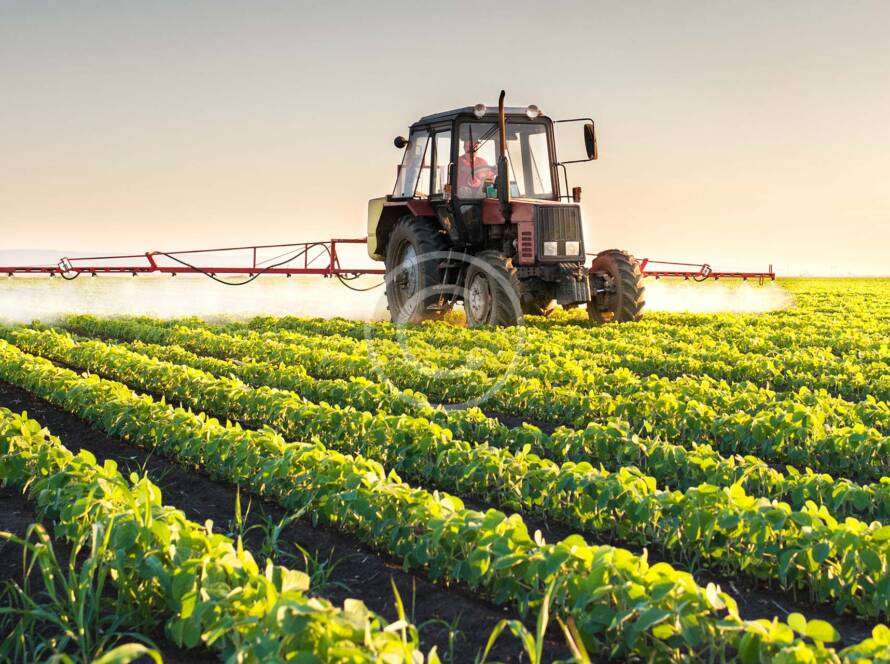
Agriculture is undergoing a fundamental transformation. Rising input costs, climate volatility, labour shortages, and increasing demand for sustainable practices are placing unprecedented pressure on farmers. Digitalising production—through robotics, IoT systems, drones, and AI/ML—offers a practical path forward. Rather than replacing traditional farming knowledge, digital tools enhance it with real-time intelligence and actionable insights.
Below are the key reasons why digitalising production is becoming essential for modern agriculture.
1. Make Better Decisions with Real-Time Data
Traditional farming decisions often rely on historical trends and manual field inspections. While valuable, these methods can be time-consuming and lack precision at scale.
Digital agriculture platforms use drones, IoT sensors, and AI analytics to deliver real-time visibility into crop health, soil conditions, moisture levels, and growth patterns. This enables farmers to:
- Detect issues early, before they impact yield
- Respond quickly to changing field conditions
- Base decisions on accurate, field-level data
Timely, data-driven decisions directly translate into improved productivity and reduced risk.
2. Increase Yields Through Precision Farming
No two fields—and often no two areas within the same field—are exactly alike. Digital production tools allow farmers to manage this variability rather than fight it.
Using high-resolution drone imagery and AI-powered analysis, growers can:
- Identify high- and low-performing zones
- Apply inputs such as water, fertiliser, and chemicals precisely where needed
- Avoid over-application and resource waste
Precision farming leads to healthier crops, more consistent yields, and improved return on investment.
3. Reduce Operational Costs
Input costs for fertilisers, fuel, labour, and machinery continue to rise. Digitalisation helps optimise how and where resources are used.
By integrating IoT sensors, robotics, and AI-based planning tools, farmers can:
- Reduce unnecessary field passes
- Optimise machinery usage and labour allocation
- Minimise input waste and downtime
Lower operating costs not only improve margins but also increase resilience during challenging seasons.
4. Improve Sustainability and Environmental Outcomes
Sustainable farming is no longer just a regulatory or ethical consideration—it’s a business imperative.
Digital production systems enable farmers to monitor and manage environmental impact more effectively by:
- Reducing chemical and water overuse
- Improving soil health through targeted interventions
- Supporting compliance with sustainability standards
AI-driven insights help balance productivity with environmental stewardship, ensuring long-term land viability.
5. Manage Risk and Adapt to Climate Variability
Weather uncertainty and climate change are major challenges for agriculture. Digital tools provide greater foresight and adaptability.
Advanced analytics platforms combine historical data, live sensor readings, and predictive models to help farmers:
- Anticipate weather-related risks
- Adjust planting, irrigation, and harvesting schedules
- Protect crops from extreme conditions
Better risk management leads to more stable yields and reduced financial exposure.
6. Address Labour Shortages with Automation
Labour availability is an increasing concern across the agricultural sector. Robotics and automation can help fill these gaps without compromising productivity.
Digital farming solutions support:
- Automated monitoring and scouting via drones
- Smarter scheduling of limited labour resources
- Reduced reliance on manual, repetitive tasks
This allows farm teams to focus on higher-value activities while maintaining operational efficiency.
7. Build a Scalable, Future-Ready Operation
As farms grow in size and complexity, manual management becomes increasingly difficult. Digital production systems are designed to scale.
By centralising data and operations into intelligent platforms, farmers can:
- Manage larger areas with the same or fewer resources
- Standardise processes across multiple sites
- Continuously improve performance using AI-driven insights
Digitalisation lays the foundation for long-term growth and competitiveness.
Digitalising Production for Smarter, More Profitable Farming
Digital agriculture is not about adopting technology for its own sake. It’s about enabling actionable, intelligent solutions that deliver real-world results. By embracing cutting-edge technologies in robotics, IoT, and AI/ML, farmers gain the tools they need to increase yields, reduce costs, manage risk, and farm more sustainably.
In an increasingly complex agricultural landscape, digitalising production is no longer a future goal—it’s a present-day advantage.